The Role of Visual Stimuli in Game Design
The first aspect to consider in the psychology of casino game design is the use of visual stimuli. Colors, shapes, and animations are deliberately crafted to capture players’ attention. Bright and vibrant colors such as reds and greens stimulate excitement and can evoke emotions associated with winning. Many players find that the visual appeal of platforms like 1win enhances their overall enjoyment, creating a sense of anticipation, encouraging them to engage more deeply with the activity. This psychological strategy exploits the brain’s reaction to colors, enhancing the experience and potentially extending the duration of play.
Moreover, the layout of game elements is strategically planned to guide the player’s focus. For instance, important symbols may be animated or highlighted to draw attention, creating a sense of urgency and excitement. This manipulation of visual elements generates an environment that feels immersive and stimulating. Consequently, players may become so enthralled by the visual aspects that they lose track of time and their spending, which is a fundamental consideration for game developers aiming for player retention.
The use of sound in conjunction with visual stimuli further amplifies the psychological impact. Sound effects such as bells, chimes, and celebratory music reinforce positive outcomes and foster a feeling of accomplishment. When players win or receive bonuses, these auditory signals combine with visual rewards to create a euphoric experience. This multi-sensory approach is designed to elicit a strong emotional response, making the game more enjoyable and increasing the likelihood of repeat play.
The Importance of Game Mechanics
The mechanics of casino games play a vital role in shaping player behavior and experience. Game designers often incorporate a variety of features, such as random number generators, volatility levels, and payout structures, to keep players engaged. Understanding the balance between risk and reward is essential, as players are drawn to the thrill of potential wins. For example, high-return games may attract risk-averse players, while those seeking excitement might prefer games with higher volatility and potential for larger payouts.
Another crucial aspect is the concept of ‘near-misses.’ This psychological phenomenon occurs when players lose by a small margin, which can be more impactful than outright wins. Near-misses create a feeling of potential success, motivating players to continue playing in hopes of achieving that elusive win. This tactic enhances the gaming experience, as it generates a rollercoaster of emotions that can be intoxicating and addictive. Developers understand this nuance and use it to their advantage to prolong engagement.
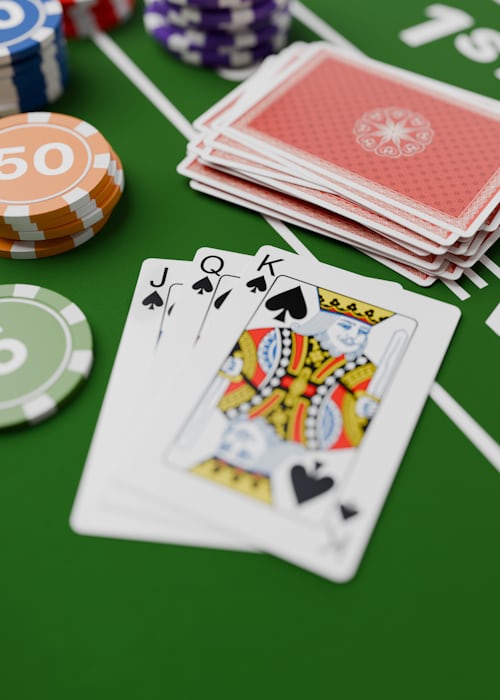
Moreover, the social interaction within casino games significantly influences the player experience. Many modern game designs include multiplayer options, allowing players to engage with friends or compete against strangers. This social element taps into the human desire for connection and competition, which can enhance the enjoyment of gaming. As players strategize and share experiences, they create a community that can further motivate them to return. The blend of mechanics that allow for both individual and social play is a powerful tool in retaining players.
The Influence of Reward Systems
In casino game design, reward systems are meticulously crafted to encourage participation and loyalty. The psychology of rewards is deeply rooted in human behavior; when players receive a reward—be it a win, bonus, or loyalty point—their brains release dopamine, the neurotransmitter associated with pleasure. This chemical response reinforces the action that led to the reward, making it more likely that the player will repeat that behavior in the future. Game designers leverage this understanding to create systems that keep players coming back for more.
Different game designs utilize varying types of rewards to appeal to a wider audience. For example, slot machines often offer small, frequent wins to keep players engaged, whereas table games may offer larger, sporadic payouts. This variability in reward frequency creates a psychological hook, as players become conditioned to seek that gratifying feeling associated with winning. Moreover, incorporating tiered rewards can enhance player loyalty, as individuals strive to reach the next level of achievement and unlock better rewards.
Loyalty programs are another strategic layer in designing casino experiences. These programs often track player spending and offer rewards accordingly, creating an incentive for continued play. When players feel appreciated and recognized for their loyalty, it deepens their emotional connection with the casino environment. This intertwining of rewards and emotional satisfaction is a cornerstone of effective game design, ultimately driving player retention and satisfaction.
The Impact of Theming and Storytelling
The thematic elements of casino games are paramount in capturing the imagination of players. Game designers often draw inspiration from popular culture, mythology, or adventure themes to create an engaging backdrop for the gaming experience. By incorporating narrative elements into game design, developers can immerse players in a story that adds depth and meaning to their gameplay. Such narratives provoke curiosity and exploration, prompting players to engage more fully in the experience.

Theming goes beyond just visuals; it influences the overall atmosphere and mood of the game. A well-designed theme can transport players to another world, enhancing their emotional investment and making the experience feel more rewarding. For instance, a fantasy-themed slot machine might include magical creatures and legendary quests, enticing players to participate in an epic adventure. This psychological engagement can keep players invested in the game and lead to longer play sessions, as they explore the thematic elements further.
Moreover, the combination of storytelling and mechanics can create a unique gaming experience where players feel as if they are part of a larger narrative. This connection fosters a deeper emotional engagement, making wins feel more significant within the context of the story. By intertwining gameplay with compelling narratives, designers can elevate casino games from mere chance-based activities to immersive experiences that resonate deeply with players.
Understanding Player Behavior on Websites
The design of online casino websites is just as crucial as the games themselves in understanding player psychology. A well-structured website can significantly influence user experience and engagement. Designers focus on creating user-friendly interfaces that are easy to navigate, ensuring players can quickly find their preferred games. Such intuitiveness reduces frustration and enhances satisfaction, encouraging players to spend more time and money on the platform.
In addition to usability, the aesthetic appeal of a casino website plays a vital role in attracting players. Visually appealing designs can evoke positive emotions and create a welcoming environment. Elements such as responsive design, coherent color schemes, and engaging graphics contribute to the overall experience. When players feel comfortable and engaged with the website, they are more likely to revisit and recommend it to others, thus amplifying its reach.
Furthermore, tracking player behavior on these platforms allows operators to tailor experiences to individual preferences. By analyzing data on gameplay and spending patterns, casinos can adjust their offerings and marketing approaches to better cater to their audience. This personalization fosters a sense of connection between the player and the casino, enhancing loyalty and ensuring that players feel valued. A responsive and attuned website can become a powerful draw, significantly impacting overall player satisfaction and retention.